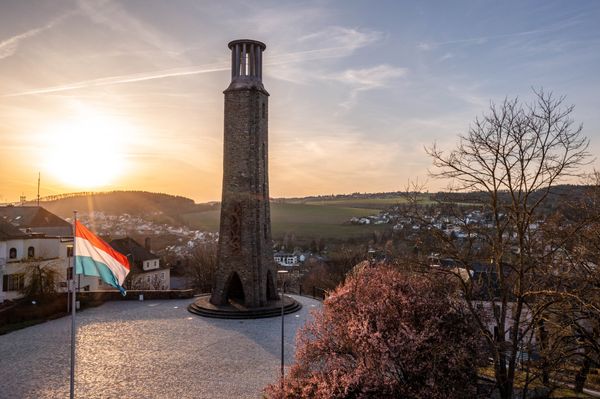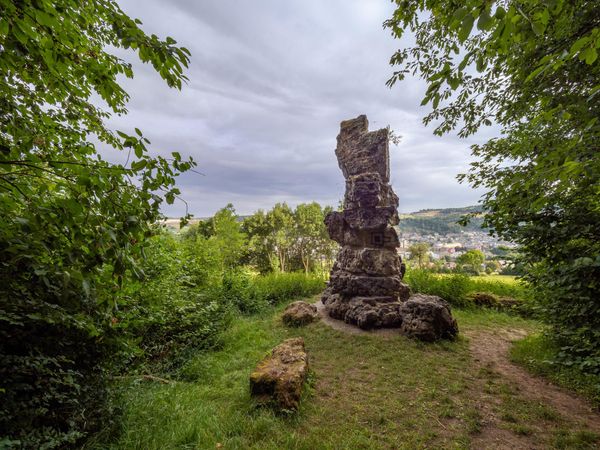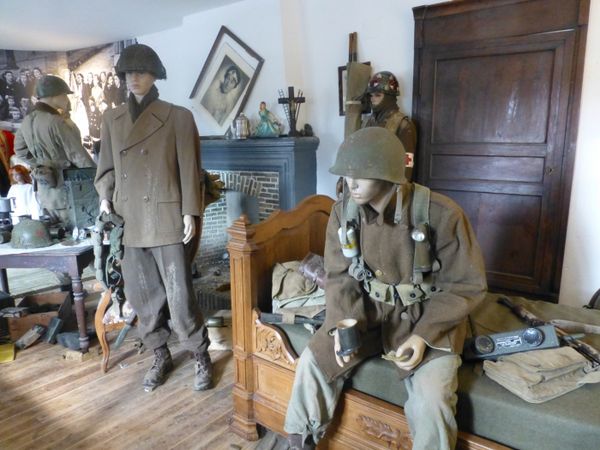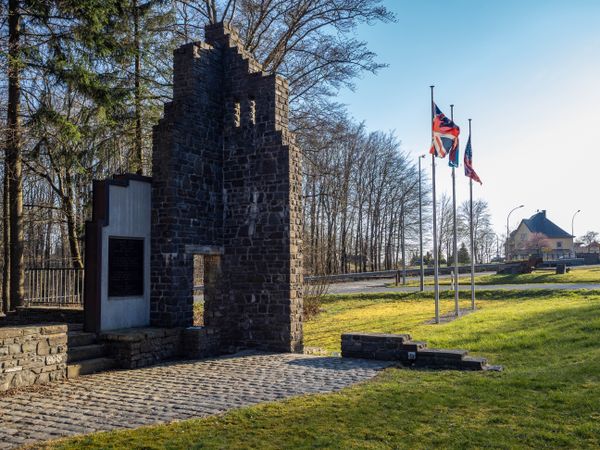

©Musée de l'Ardoise

Slate Museum - Musée de l'Ardoise

Where? Entrée principale, L-8823 Haut-Martelange

free
with theLuxembourgPass

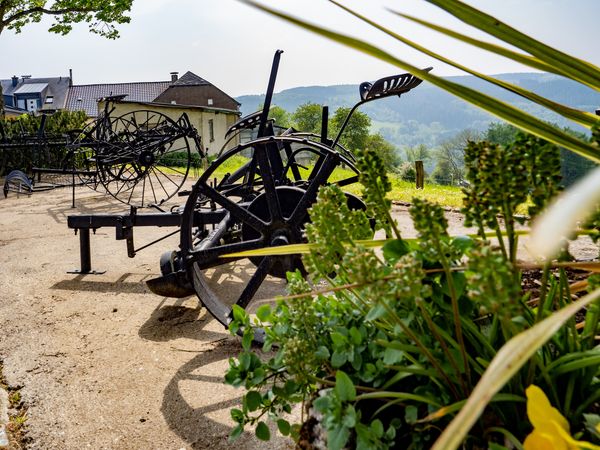
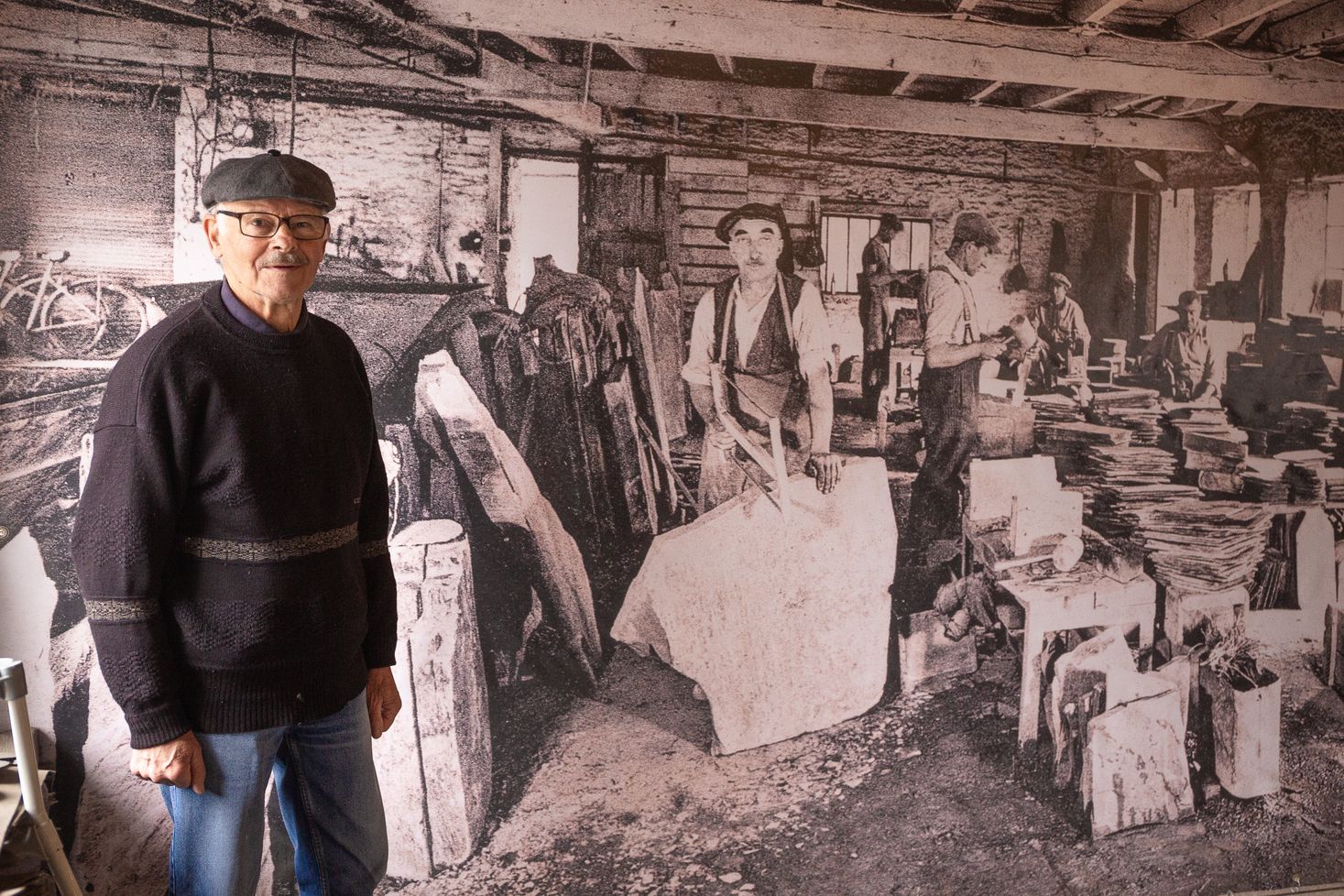
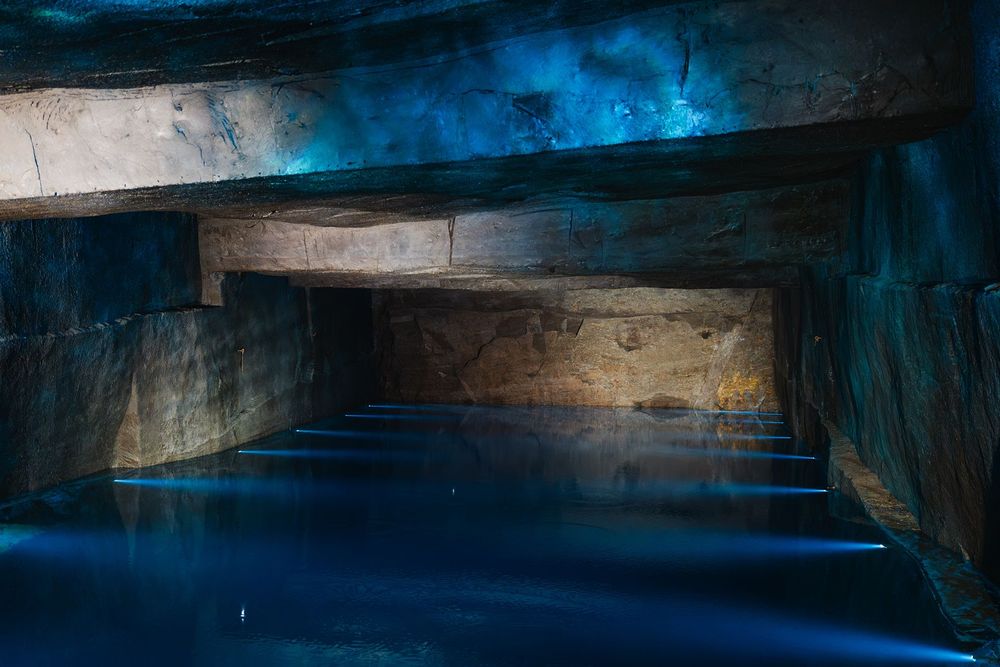
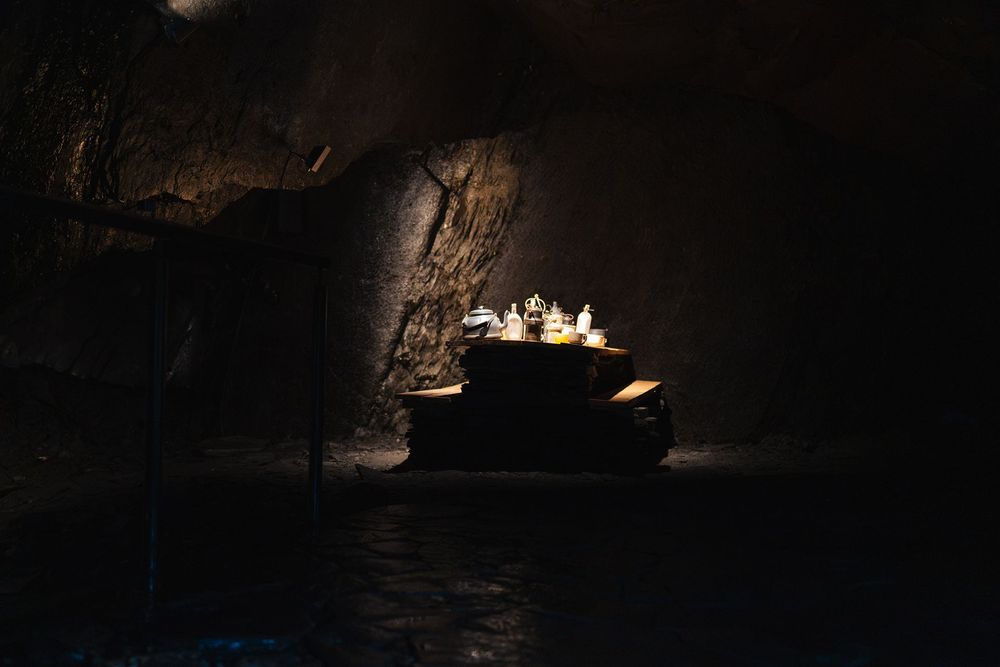
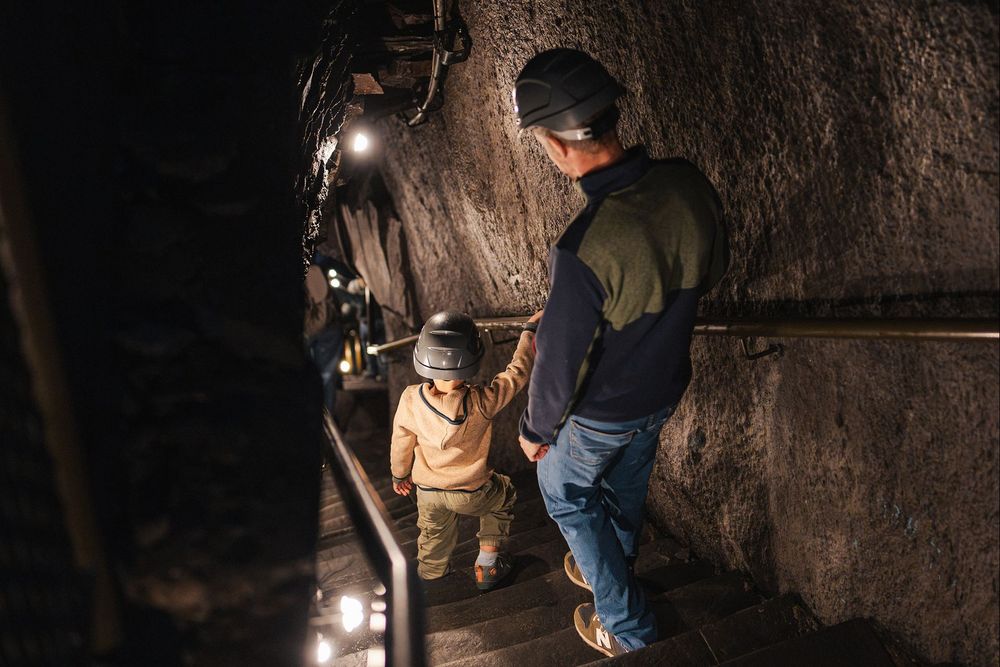
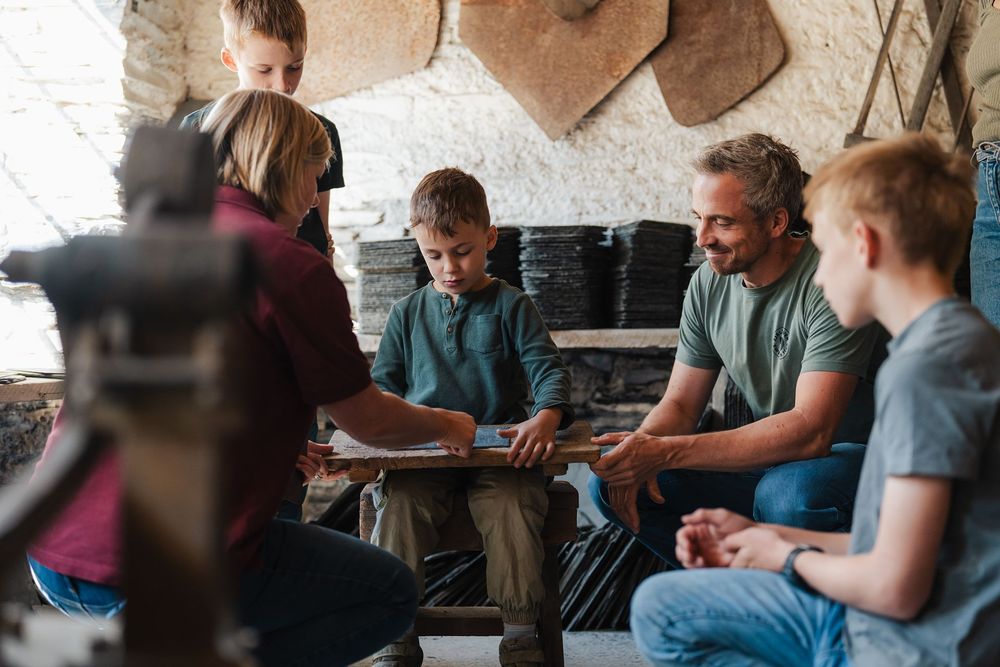
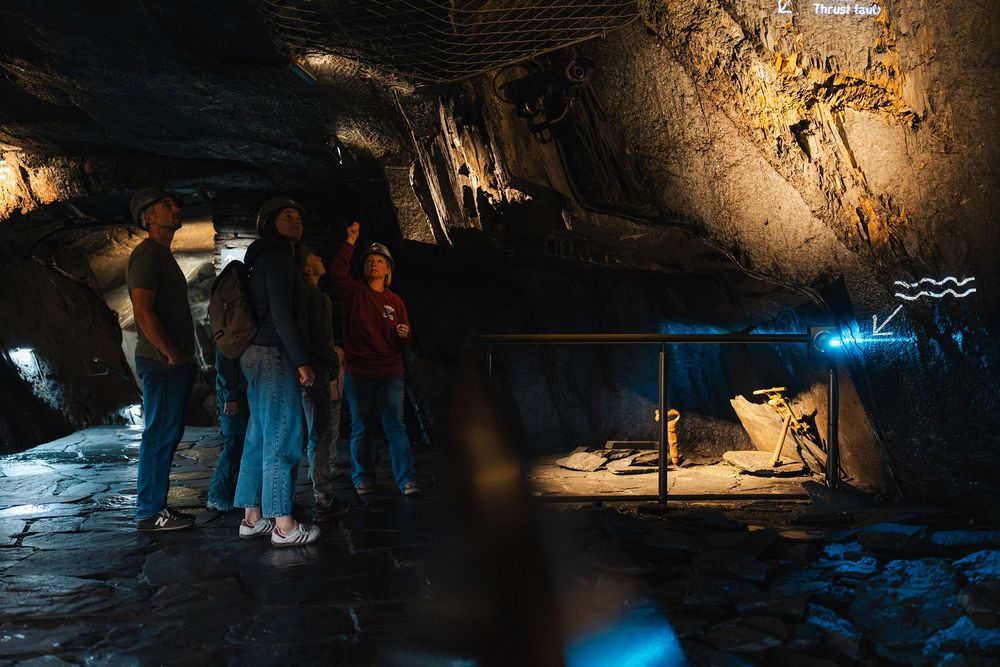
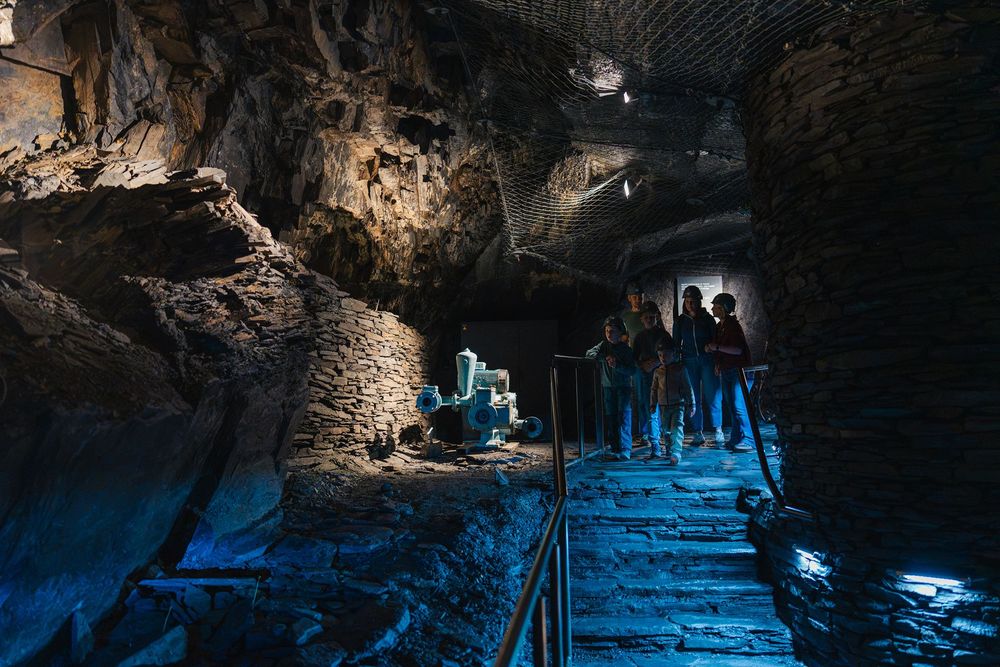
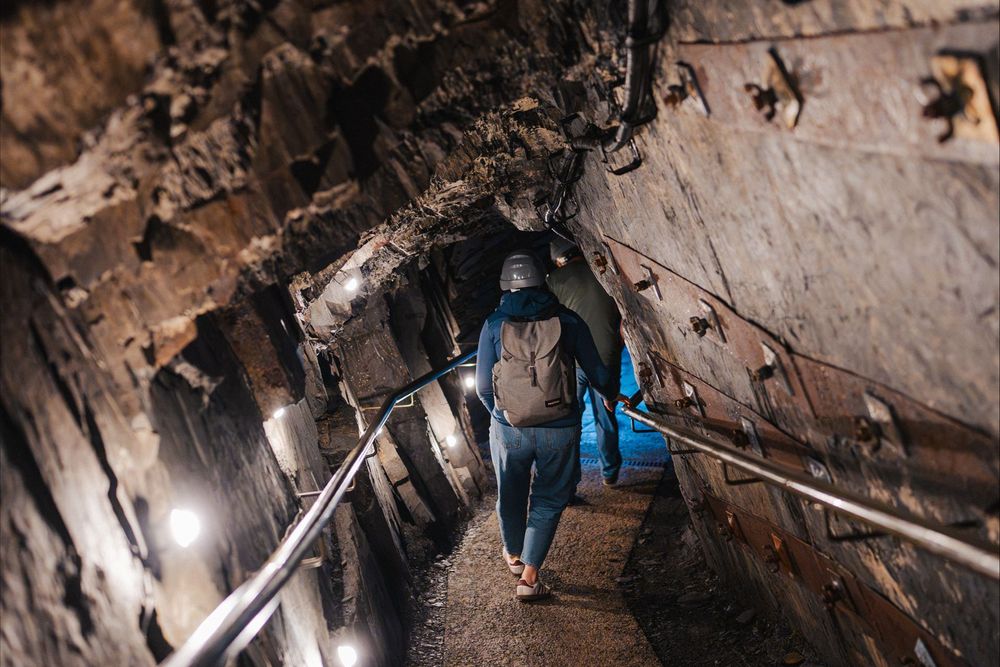
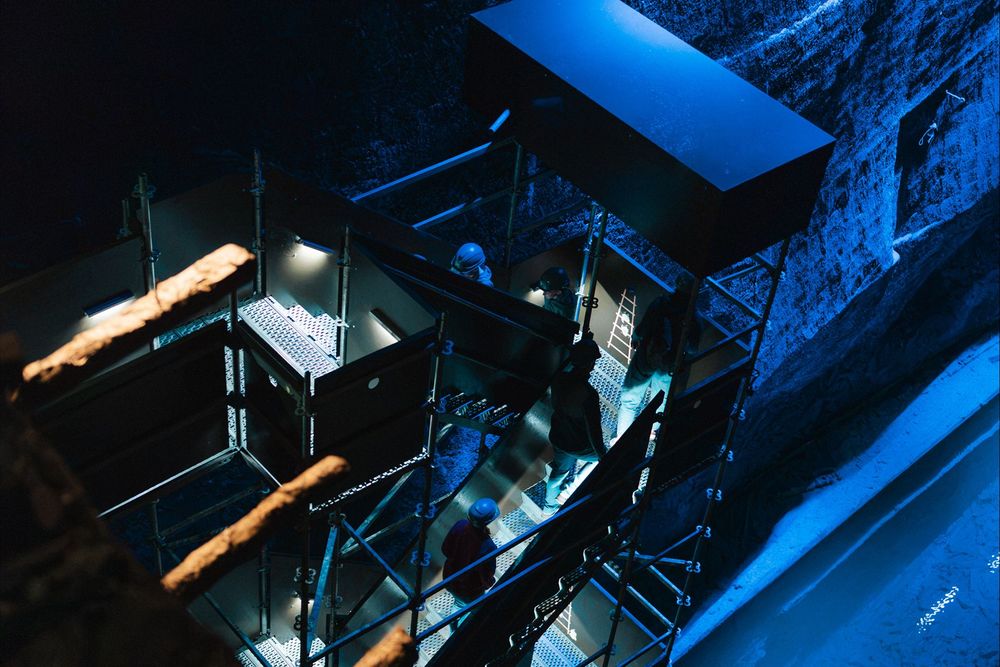
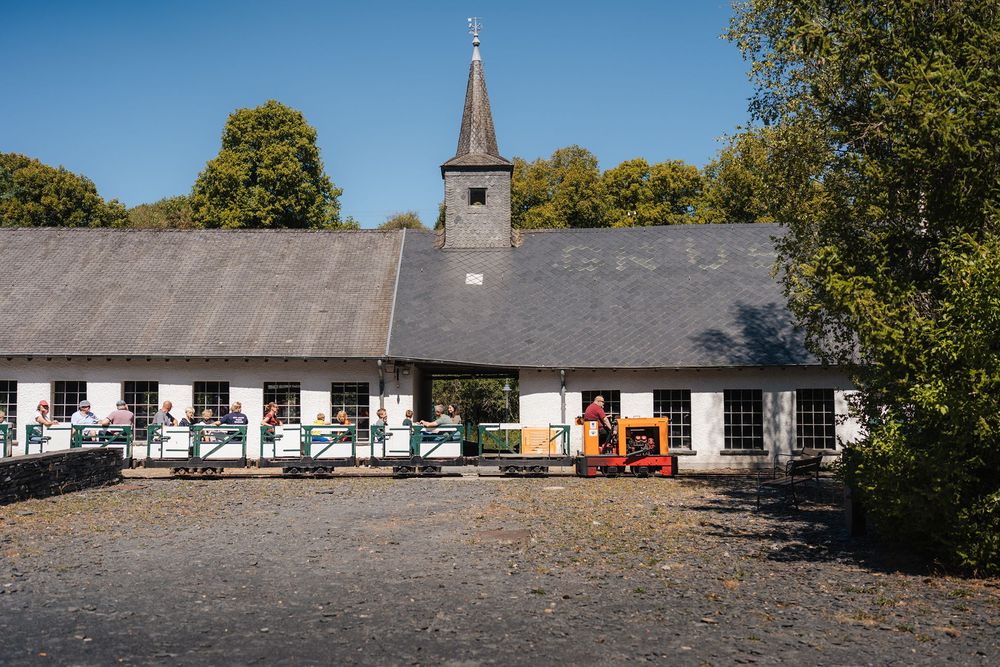
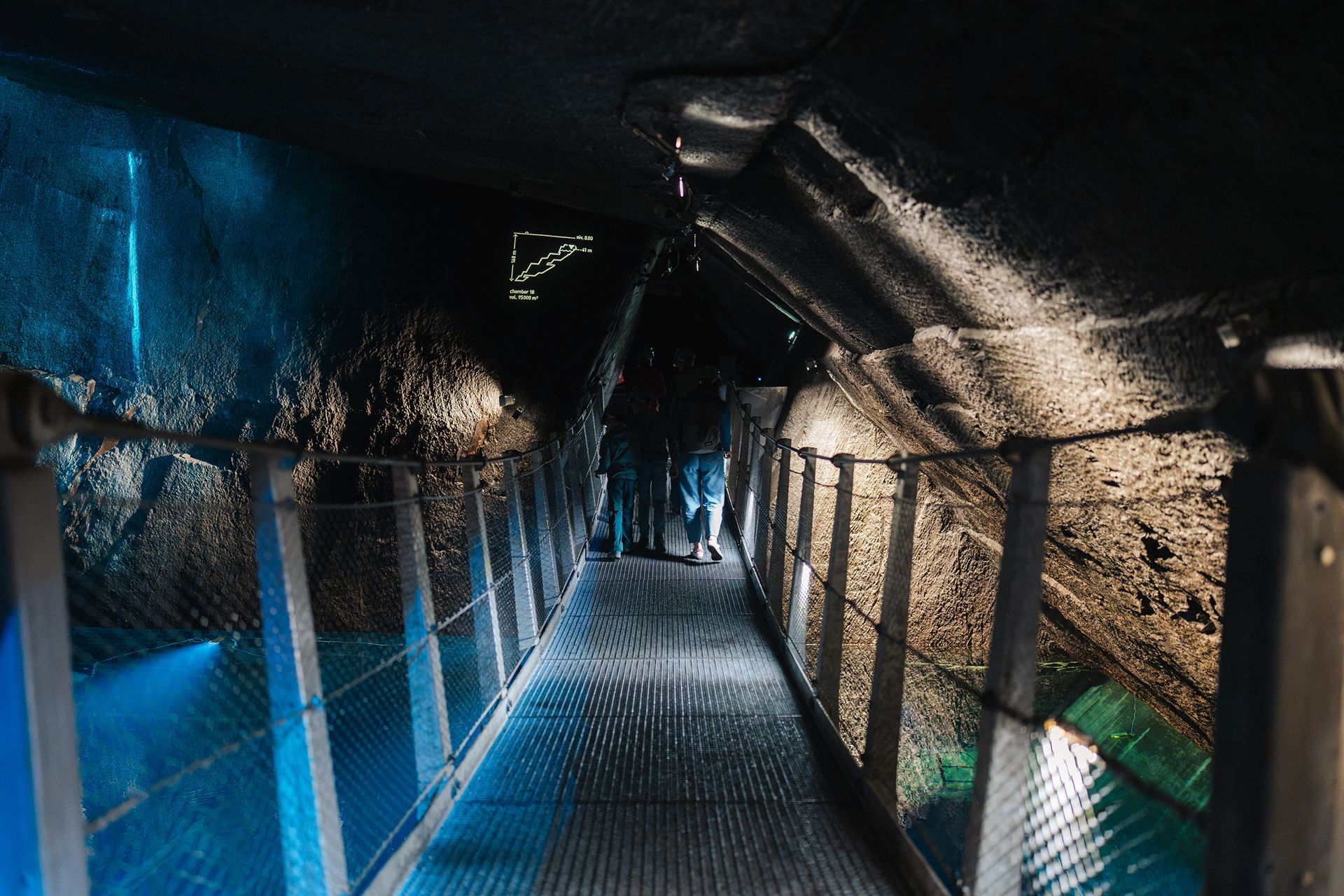
Discover the fascinating world underground at the Haut-Martelange Slate Museum! Experience the history and techniques of slate extraction and immerse yourself in the new, fascinating "Johanna" visitor gallery. Experience the everyday life of slate workers at first hand!

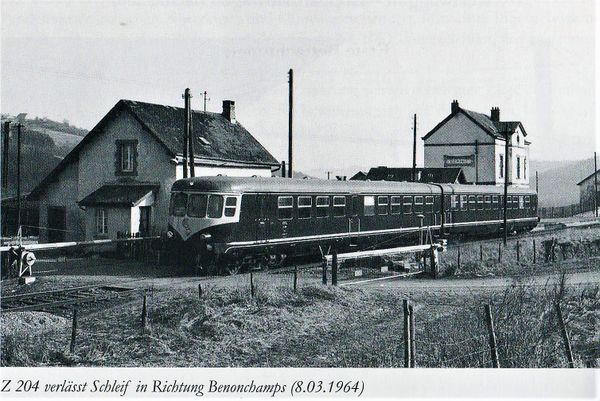
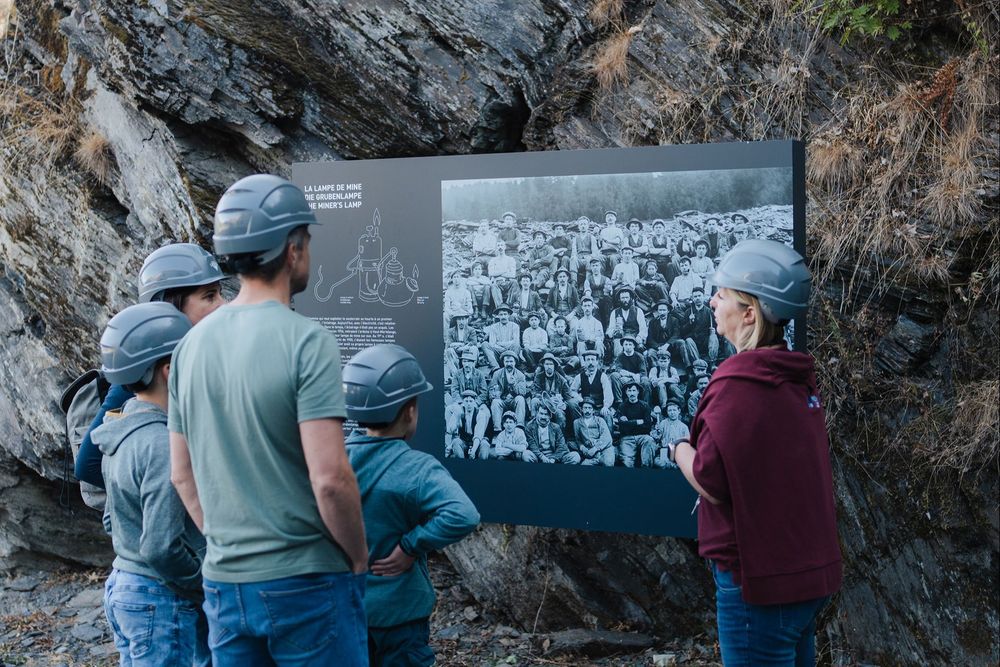
Experience an exciting journey back in time to the slate industry of the 20th century. In the slate museum, a museum facility awaits you that gives a complete picture of this more than 200-year-old activity. Discover the path of the slate stone, from its formation and its extraction underground to the finished product and its transport. Explore the working conditions of the slate miners and get a vivid picture of the everyday world.
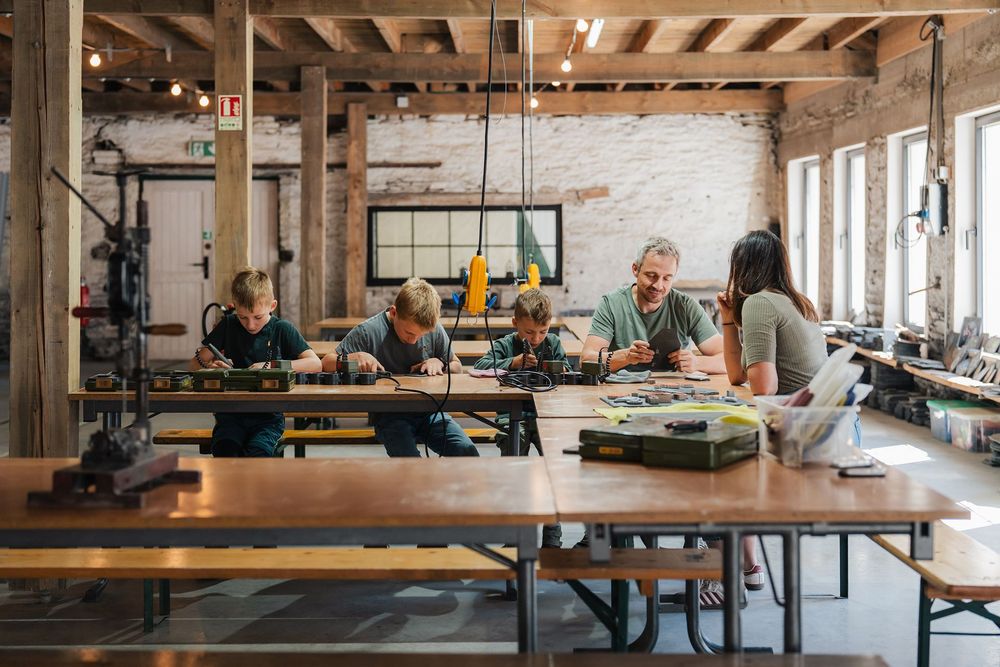
Entry to the site is free and various animations (ride on the industrial train, Bopebistro, Detektive Schuppi,...) are available.


Practical information

  • Toilets
  • Shop
  • Nearby public transport

Culture info

  • Visit possible (& visit information)

LuxembourgPass

  • Free admission for individual visits to the "Johanna" visitor mine with the LuxembourgPass

Opening hours

Opening hours are subject to change. Please check them before your visit in order to be sure.
Thursday16.07.2026 : 10:00 - 18:00
Friday17.07.2026 : 10:00 - 18:00
Saturday18.07.2026 : 10:00 - 18:00
Sunday19.07.2026 : 10:00 - 18:00
MondayClosed
Tuesday21.07.2026 : 10:00 - 18:00
Wednesday22.07.2026 : 10:00 - 18:00

Contact

Address: Musée de l'Ardoise
Entrée principale
L-8823 Haut-Martelange
Show on map

More sites

Decanal church
The Wiltz Deanery Church has two naves and was built at many periods, repeatedly destroyed, enlarged and altered. A visit provides an insight into the building's turbulent past.
Find out more
©Visit Éislek
National Strike Monument Wiltz
Visit the impressive monument commemorating the general strike during the Second World War. Learn more about the tragic events of that time that shaped Luxembourg's history.
Find out more
©Commune de Troisvierges
Troisvierges Trainstation
Troisvierges Station's story mirrors a dynamic era in European history. From a modest border stop, it transformed into a vital transportation hub, only to witness the turmoil of war and the gradual shift toward quieter days.
Find out more
©Mike Zenari
free
with theLuxembourgPass
National Brewery Museum and Tannery Museum
Discover the fascinating brewery museum in the historic ambience of Wiltz Castle! Immerse yourself in the world of beer making, take part in a brewmaster course and enjoy your own brew on site.
Find out more
©Visit Éislek
Church Saints-Côme-et-Damien
The parish church of Sts Côme et Damien in Clervaux, built in 1910/1911 in the Rhenish-Romanesque style, impresses with its striking dome above the altar and its majestic twin towers with melodic chimes.
Find out more
©Visit Éislek
Centre Cinqfontaines
The small village of Cinqfontaines (Five Wells), not far from Troisvierges, is home to a former monastery built at the beginning of the 20th century. In 1941 it was confiscated by the Nazis who used it as a place of internment for Jews from Luxembourg.
Find out more
Saint-Michel Chapel
The Saint-Michel Chapel towers high above Oberschlinder, surrounded by forest and accessible via hiking trails.
Find out more
Trinitarian church and cloister Vianden
Discover one of the most beautiful Gothic buildings in Luxembourg!
Find out more
©Commune de Hosingen
Women’s convent in Hosingen
Discover the echoes of time in Hosingen's ancient Augustinian convent, a sanctuary of nobility and learning from its enigmatic origins to poignant its dissolution. Its walls resonate with Luxembourg's rich heritage!
Find out more

A slate story

Transforming Experiences

Nestled in the rolling hills of quaint Haut-Martelange lies a place that takes visitors back to a time when slate was worked by hand. The rocks are living history and presented in fascinating ways at the new Slate Museum in Haut-Martelange.

Read more
Haut Martelange, Slate Museum
©Thomas Jutzler