
©Visit Éislek

Kalborn Mill

Where? 1, Maison, 5637 Moulin De Kalborn

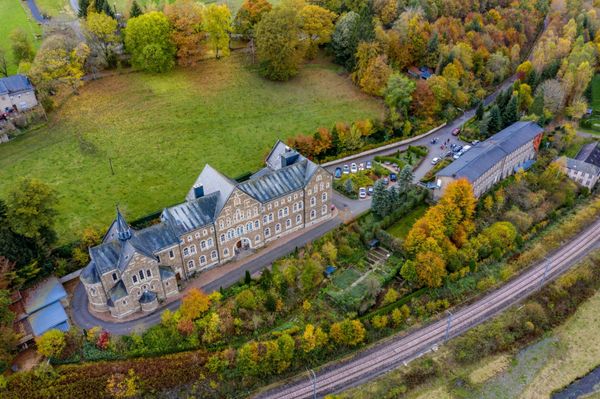
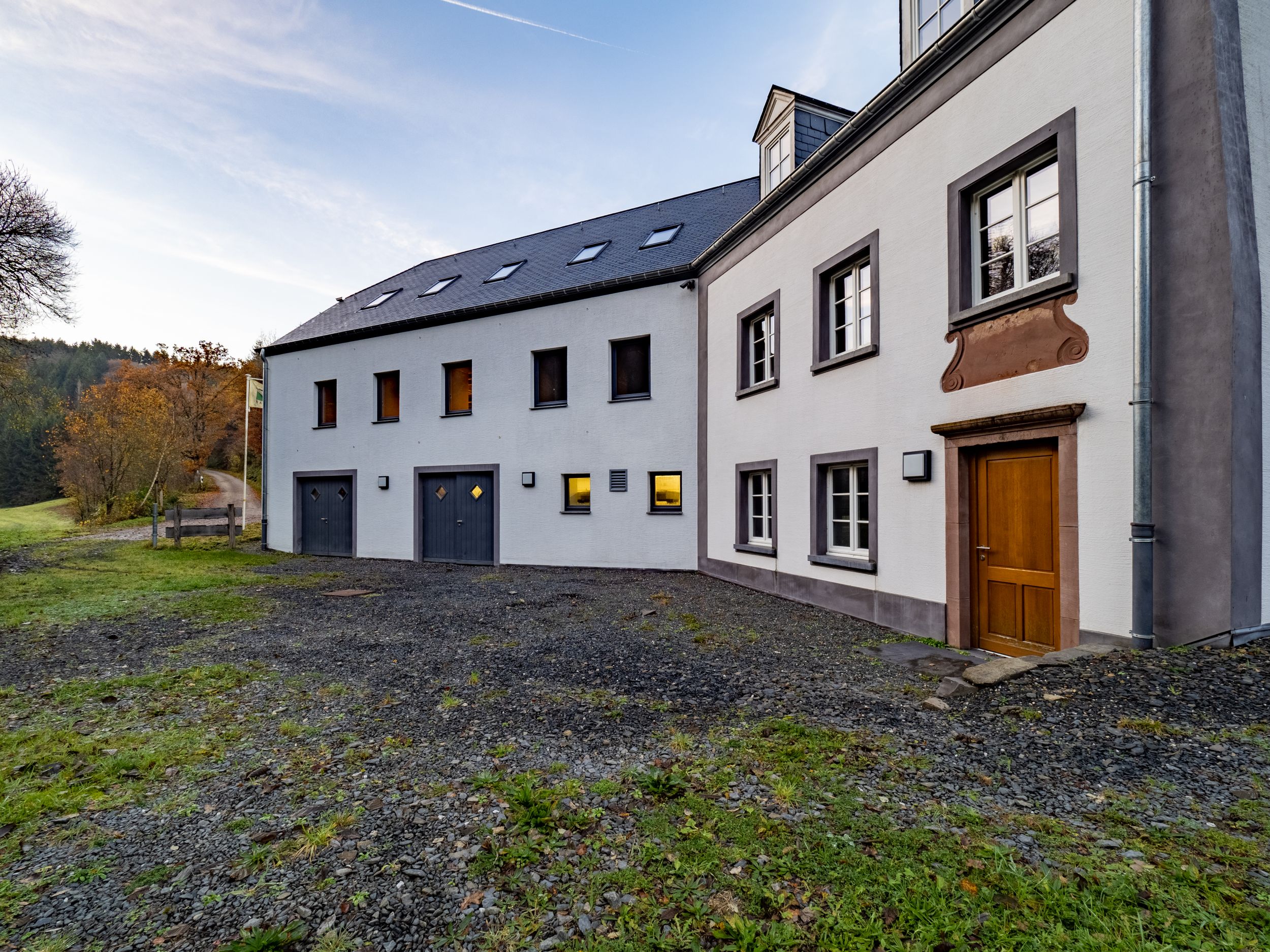
The mill in Kalborn, which is over 200 years old, has developed into a nature conservation centre. Endangered river pearl and brook mussels are bred here. Information boards in front of the mill show how gardens can provide habitats for wildlife and insects.

The over 200 years ol mill in Kalborn has found over the course of time a new purpose in the field of nature protection.
The endangered freshwater pearl and common river mussels are grown in the mussel breeding station. Schools and private groups can book the water experience centre for environmental education as well as interesting excursions on the topics of ecology, limnology, botany and geology.
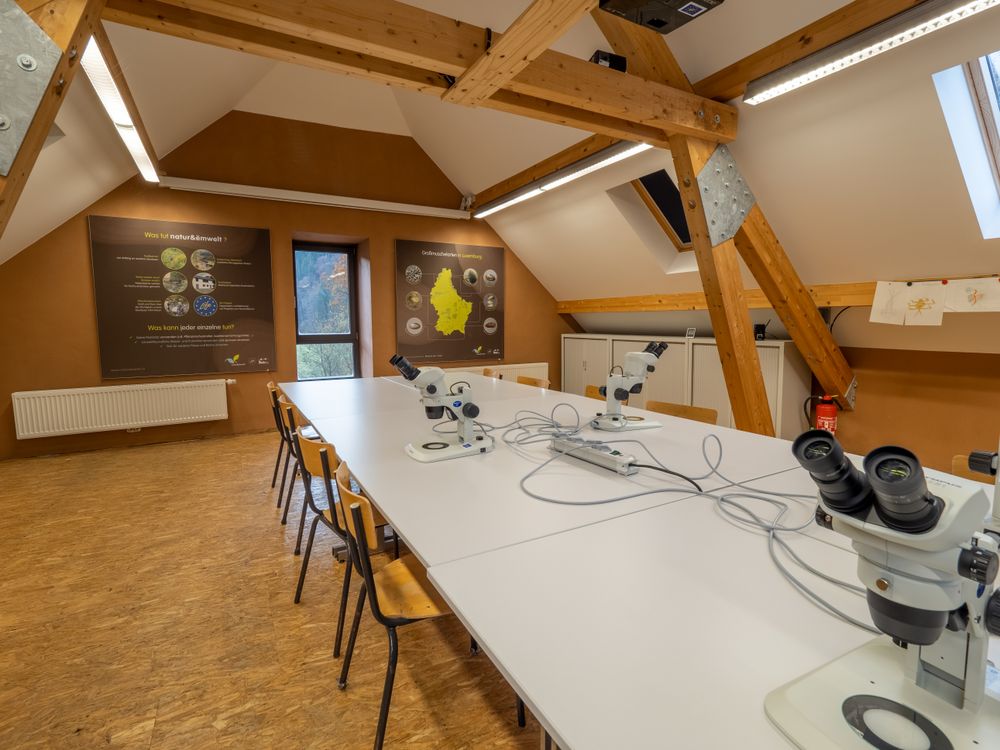
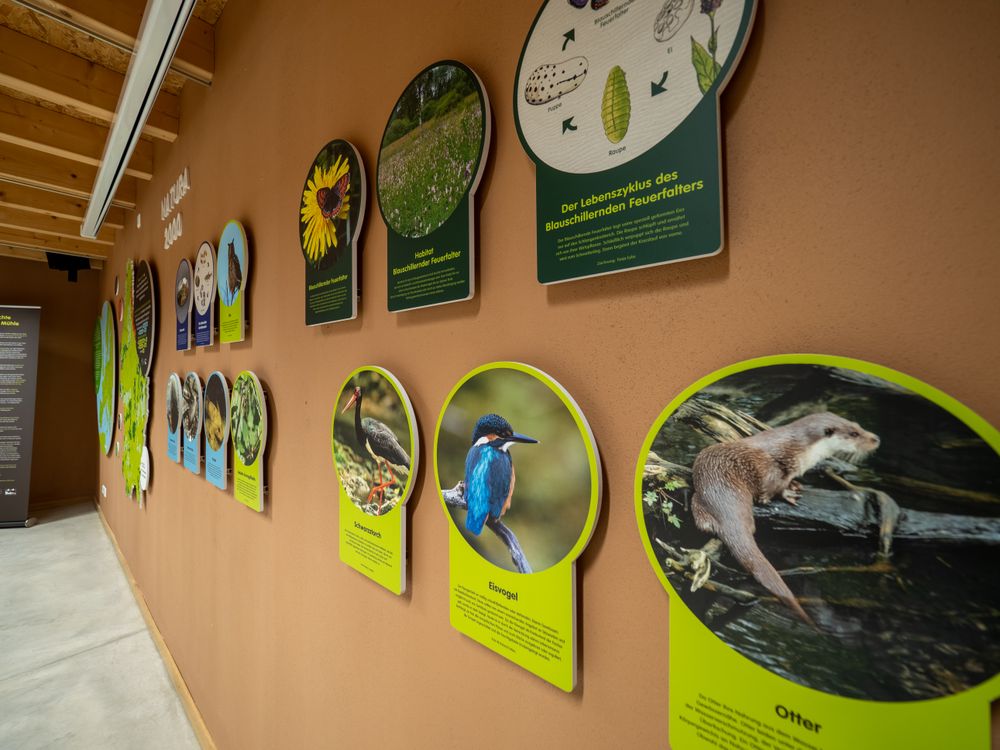
The Natura 2000 room is open to visitors at flexible opening hours and provides information about protected areas as well as about the Our valley.
In front of the mill, various information boards also offer interesting insights into how our gardens provide a home for wild animals and insects. 
Opening hours

Contact

Address: natur & ëmwelt
L-9757
Show on map

More sites

©Visit Éislek
St. Cunegonde Chapel
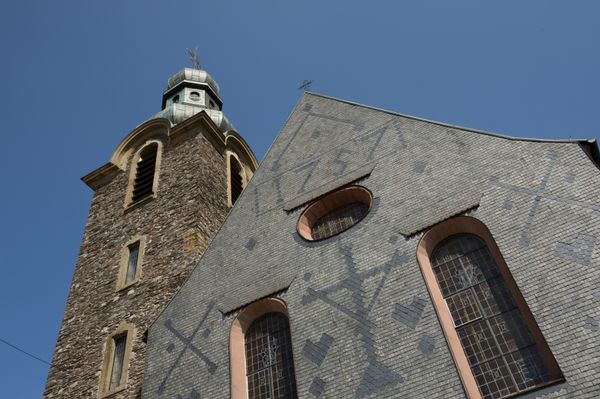
The St. Cunegonde Chapel in Heiderscheidergrund, a noteworthy example of 19th-century ecclesiastical historicist architecture in Luxembourg, features a neo-Gothic design, late Gothic sculptures, 18th-century statues, and glass paintings, embodying the country's historical and national consciousness as the oldest Kunigundis shrine.
Find out more
©Visit Éislek
Bunker Kaundorf
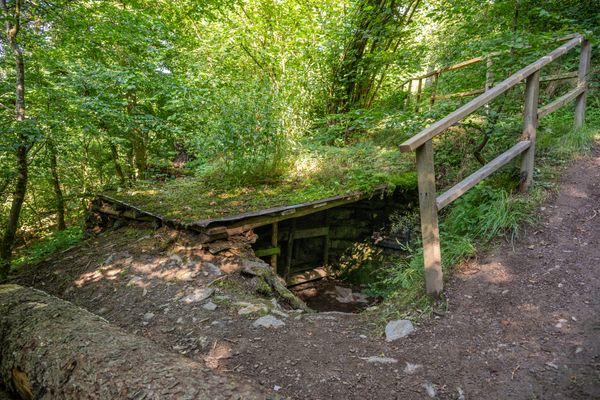
This bunker from World War II, where deserted forced conscripts hid until liberation, can be reached via an approx. 1 km-long footpath. The walk is well worth it, as hikers near the bunker are rewarded by an impressive view over the Upper Sûre Lake.
Find out more
©Visit Éislek
St. Lawrence Church Diekirch
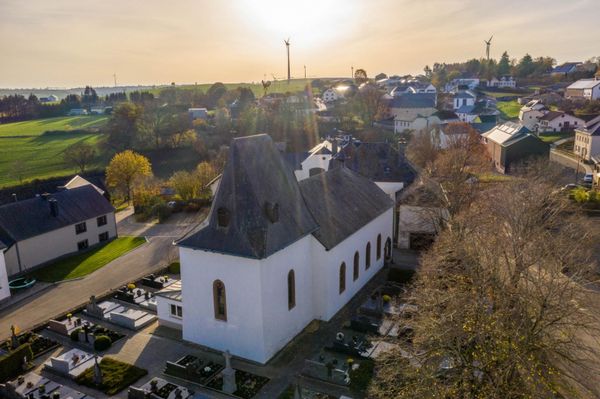
The Laurentius Church in Diekirch was planned by Pierre Biwer and completed in 1868. It was declared a national monument in 2017.
Find out more
Përmeshaff – Estate ruins
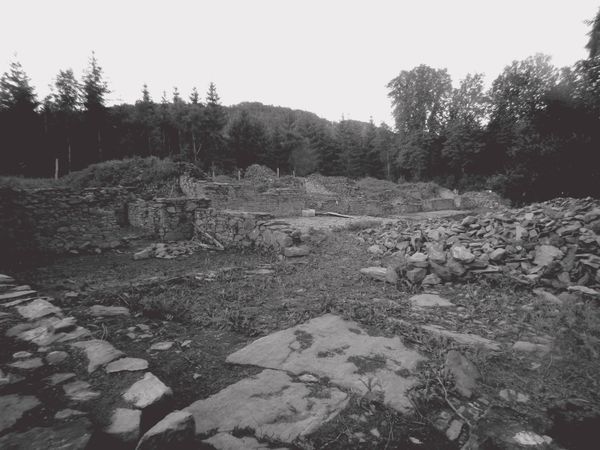
Përmeshaff, a historic site near Kaundorf, traces its roots to 1195. Over the centuries, it evolved into a religious centre, attracting pilgrims to its chapel and healing springs. Despite enduring a devastating fire in 1936, recent archaeological efforts have unveiled layers of its rich history, highlighting significance of Përmeshaff as a cultural landmark.
Find out more
©Syndicat d'Initiative Stolzemburg
Putscheid Stolzebuerger Schlass – Former Castle
Stolzembourg Castle, rooted in history since 1192, witnessed destruction in 1454 and 1679 before being revitalized with a Scottish-style manor house in 1898.
Find out more
©DCK
Former village mill Weiswampach
The village of Weiswampach holds a unique place in Éislek’s history. While most mills in the region were bound by thirlage laws, forcing villagers to use a specific mill and pay fees to the local lord, the Weiswampach mill was a remarkable exception. Though the mill itself no longer stands, its story reveals the complexities of the past and the ways local circumstances could sometimes defy rigid systems.
Find out more
Saint-Hubert Church
Discover the fascinating architecture of the church, built on the ruins of a pagan site!
Find out more
©© Giulio Groebert
Esch-sur-Sûre dam
The impressive dam in Esch-Sauer was built between 1955 and 1958 and blends harmoniously into nature. Its arched design makes it a popular photo spot for photographers and nature enthusiasts.
Find out more
©Visit Éislek
free
with theLuxembourgPass
General Patton Memorial Museum
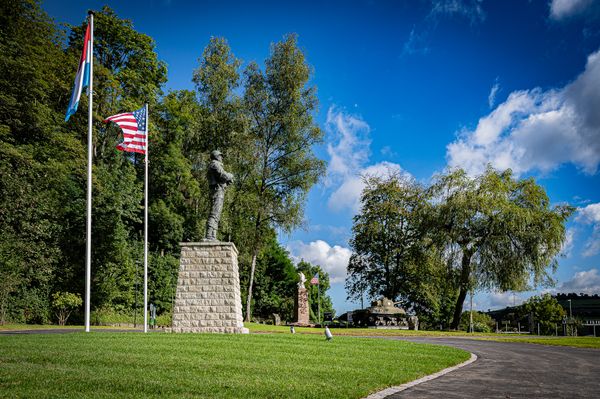
The General Patton Memorial Museum in Ettelbruck commemorates the commander of the 3rd US Army whose troops liberated the town on 25 December 1944. The exhibition illustrates the most important events that occurred during the Second World War in Luxembourg.
Find out more