
©Visit Éislek

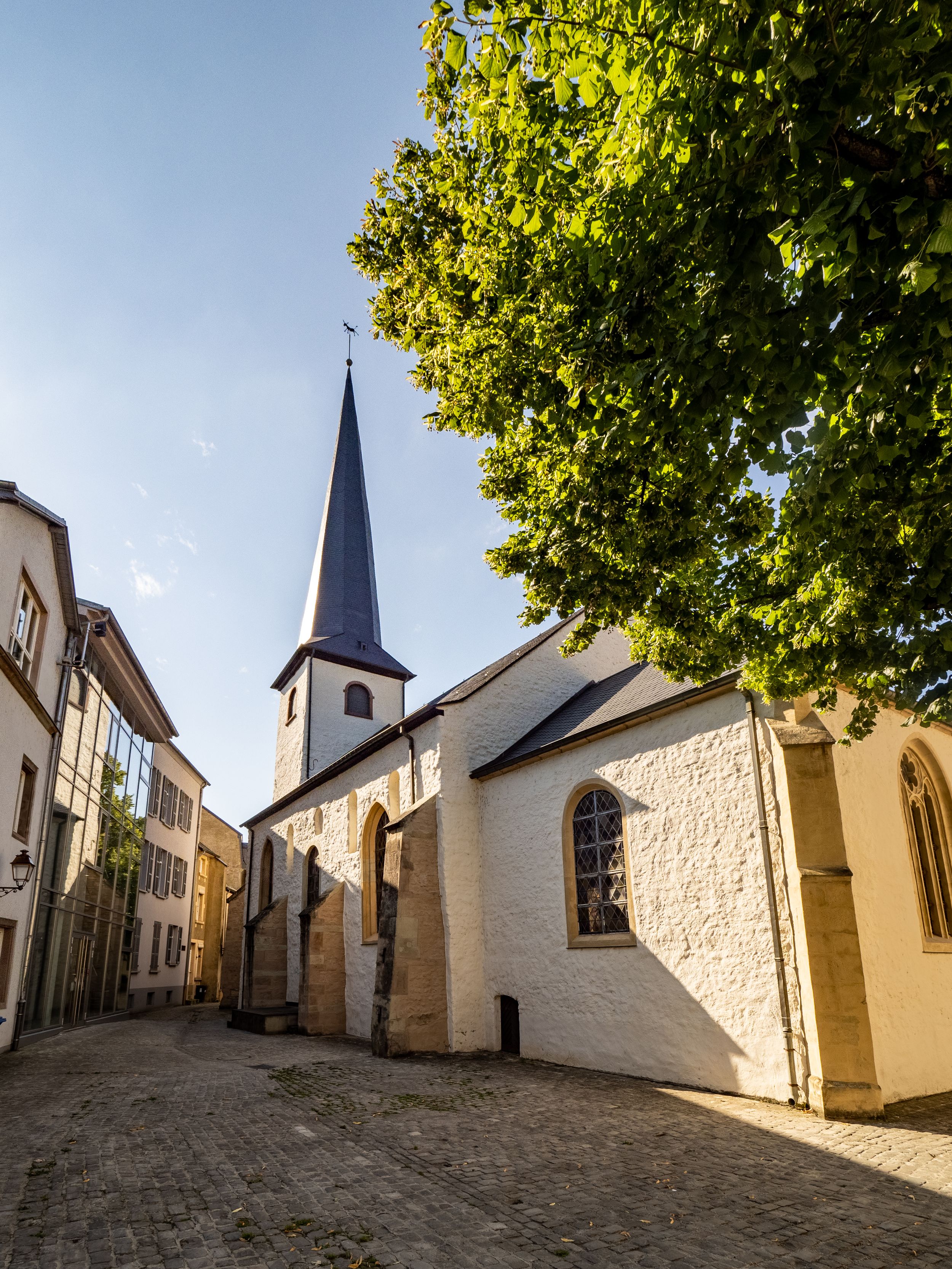
St. Lawrence Church Diekirch

Where? 5, Rue du Curé, 9217 Diekirch

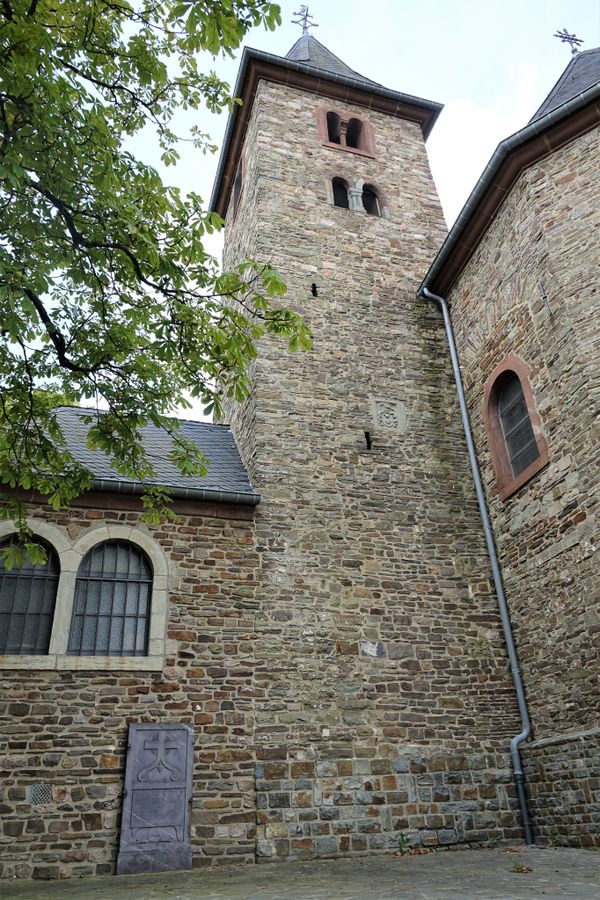
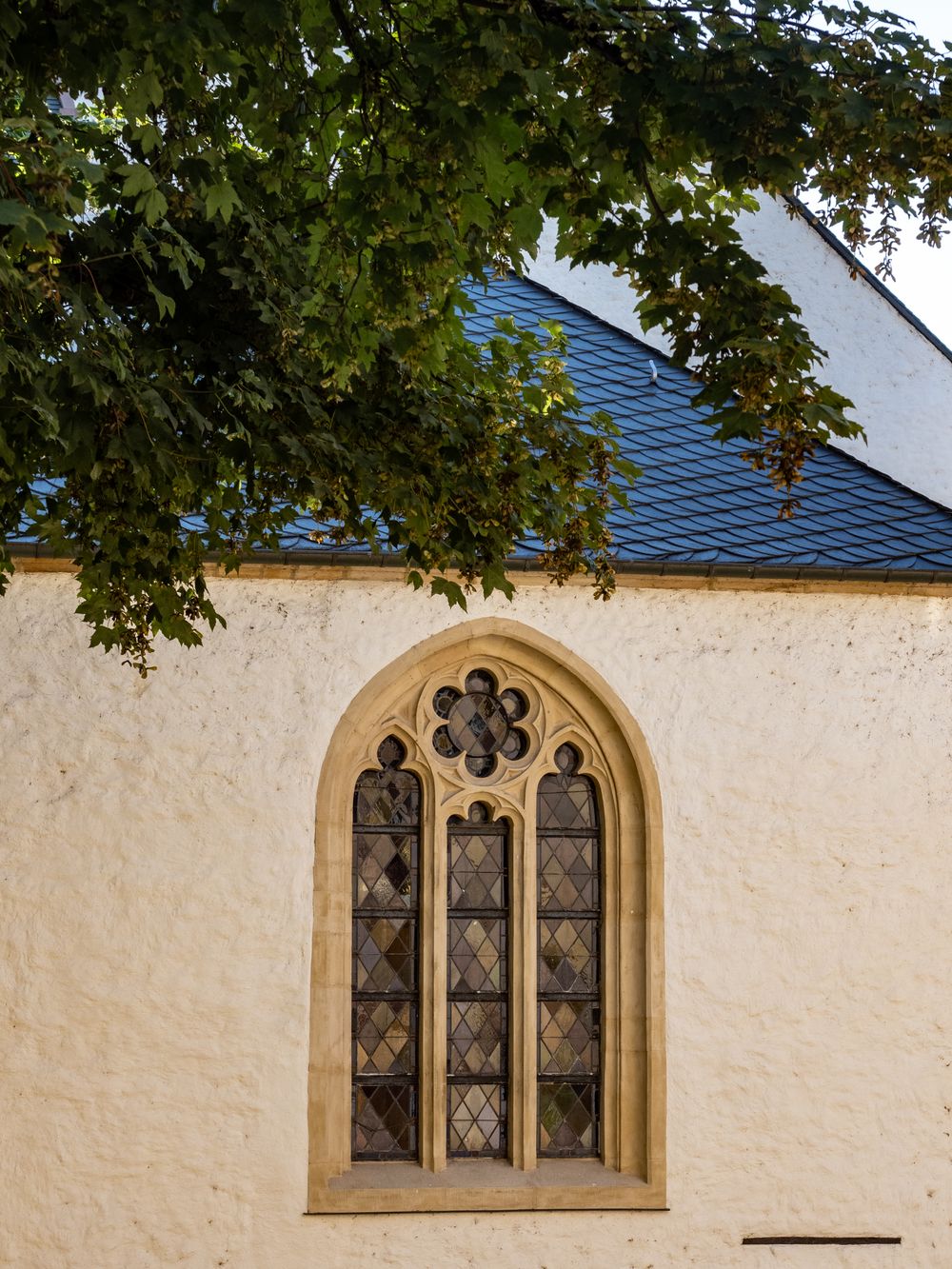
The Laurentius Church in Diekirch was planned by Pierre Biwer and completed in 1868. It was declared a national monument in 2017.

The old St. Lawrence church in Diekirch was built on a Roman cult site in the Middle Ages.
The interior of the church is decorated with fine frescoes from the 16th and 17th centuries. The remains of a cemetery, probably dating back to the Merovingian period, were discovered in 1960 under the church.


Culture info

  • Visit possible (& visit information): Geführte Besichtigung Diekirch / Guided Tour Diekirch / Visite guidée Diekirch
Contact

Address: Syndicat d'Initiative de Diekrich
3, Place de la Libération
L-9255 Diekirch
Show on map

More sites

©Visit Éislek
Vianden Dam
The Vianden Dam is currently being transformed into an oversized artwork.
Find out more
Saint-Roch church Insenborn
Discover the neo-Gothic splendour of the Insenborn church, built according to plans by architect Biver in 1861.
Find out more
Tour suggestion
The Battle of the Bulge
Stages: 3
The Battle of the Bulge
Find out more
©Communes de Witz
Gierwerei – Leather industry
Wiltz: Where Leather Found a Global Market
Find out more
©© Giulio Groebert
Esch-sur-Sûre dam
The impressive dam in Esch-Sauer was built between 1955 and 1958 and blends harmoniously into nature. Its arched design makes it a popular photo spot for photographers and nature enthusiasts.
Find out more
Holy Church Lieler
The Roman Catholic church "Zum Heiligen Kreuz" in Lieler impresses with a Gothic choir tower from the 14th century, accompanied by frescoes from the 16th century.
Find out more
©Charles Leon Mayer
Schleef Gare – Former Trainstation
Schleif: Tiny Hamlet, Big Role in the Battle of the Bulge
Find out more
©Visit Éislek
St. Pierre Chapel
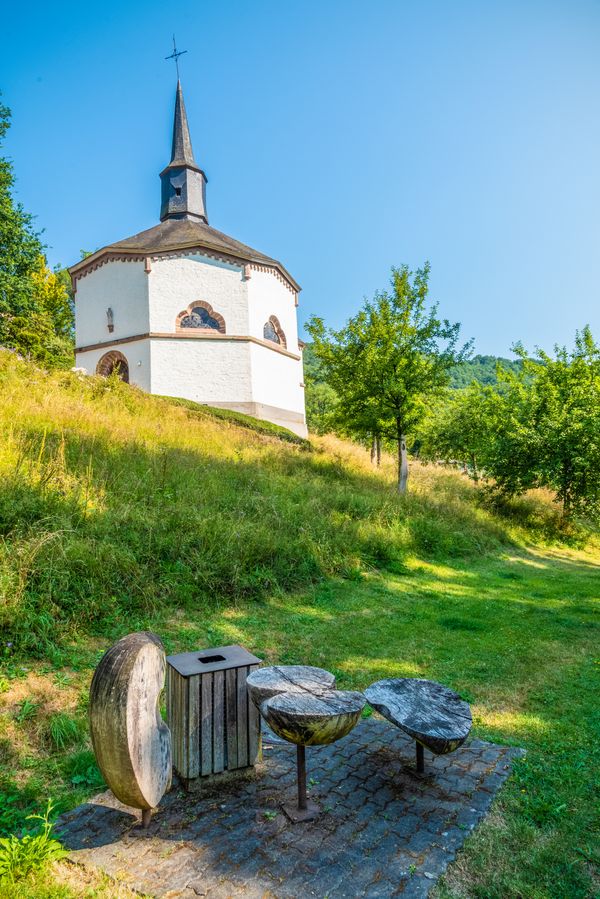
The chapel in Lellingen is an octagonal masterpiece that combines history and architecture in unique harmony.
Find out more
©Syndicat d'Initiative Stolzemburg
Putscheid Stolzebuerger Schlass – Former Castle
Stolzembourg Castle, rooted in history since 1192, witnessed destruction in 1454 and 1679 before being revitalized with a Scottish-style manor house in 1898.
Find out more